Wednesday, October 24, 2007
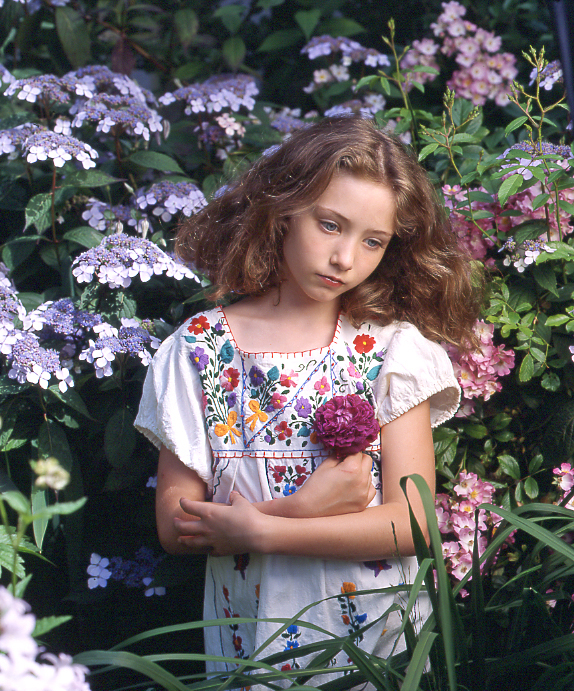
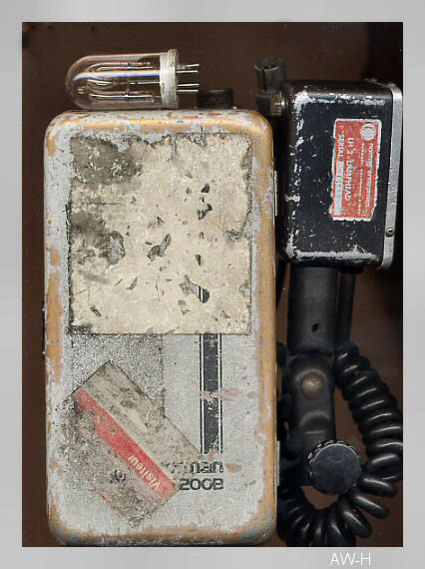
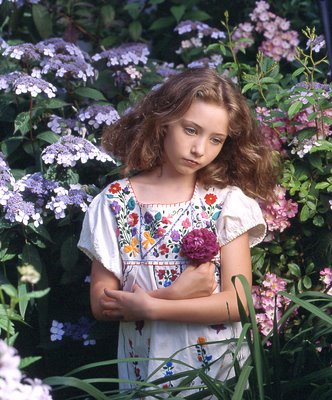 My Norman 200B is so important in my photographic life that I have three of them. All three are at least 25 years old or more. There are all kinds of stories that photographers tell (or at least they used to tell when there were enough of them for a friendly beer quorum) about being in the middle of Alberta on an annual report (when forestry companies were rich enough to have annual reports). They recount of a sudden loss of power in mid shoot of one's rented studio lights. What to do? And then the photographer remembers that there is a little case in the car, or back in the hotel with a Norman 200B. Salvation is at hand and the assignment is successfully finished. Which proves that a small light can go places if it works all the time. My Norman 200B (actually a pair of them in a metal photo case) has come to the rescue. In May I broke my left elbow. I have been unable to stretch out my left arm completely. My therapist measures the angle by subtracting from 180 degrees. A month and a half ago I was at 27 degrees. With Torquemada type techniques they got that down to 22. But now Maureen my therapist at VGH is measuring 18 and 17 with her special protractor. She looks at me and smiles, "Norman is helping lots." For the last month I have been walking around the block twice a day and wherever I go I carry my metal case containing the two Normans. Maureen suspects that intermittent exercise makes no difference if measured in minutes. But walking with the Normans over longer periods of time is making that difference. The average person seeing the picture here, that I took of Rebecca in Rosemary's kitchen garden in August, would not suspect that I used an artificial light. But I did. It is lit by a Norman 200B inside a 3x4 ft softbox (it's like a tent) and the sun while present was playing second fiddle. 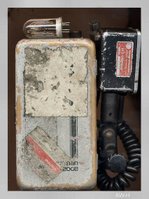 I never became an engineer because I failed electricity in university. My bête noire was my inability to differentiate among resistance, inductance and capacitance. Little I was to know then that some day I would come to understand exactly what capacitance is all about and that what makes my Normans great battery-powered flashes is that they have dependably tough capacitors.
Tuesday, October 23, 2007
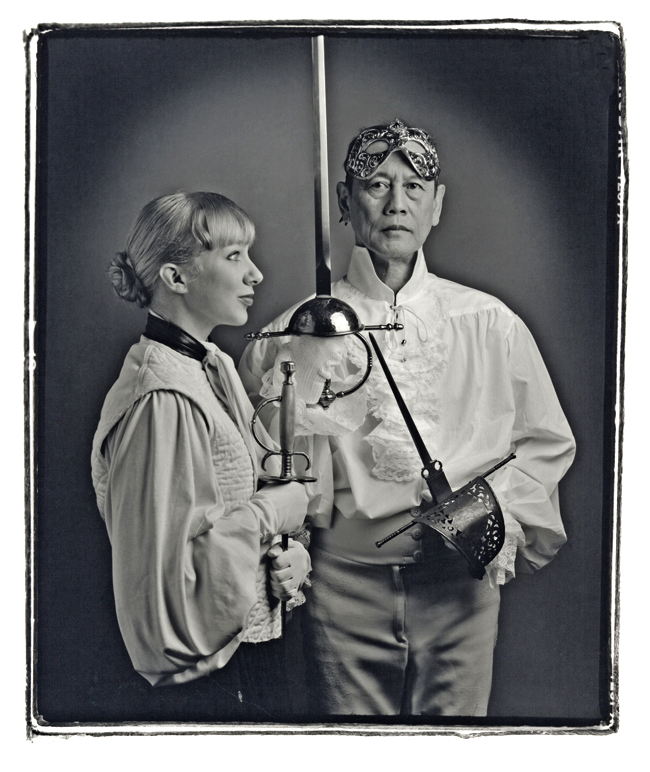
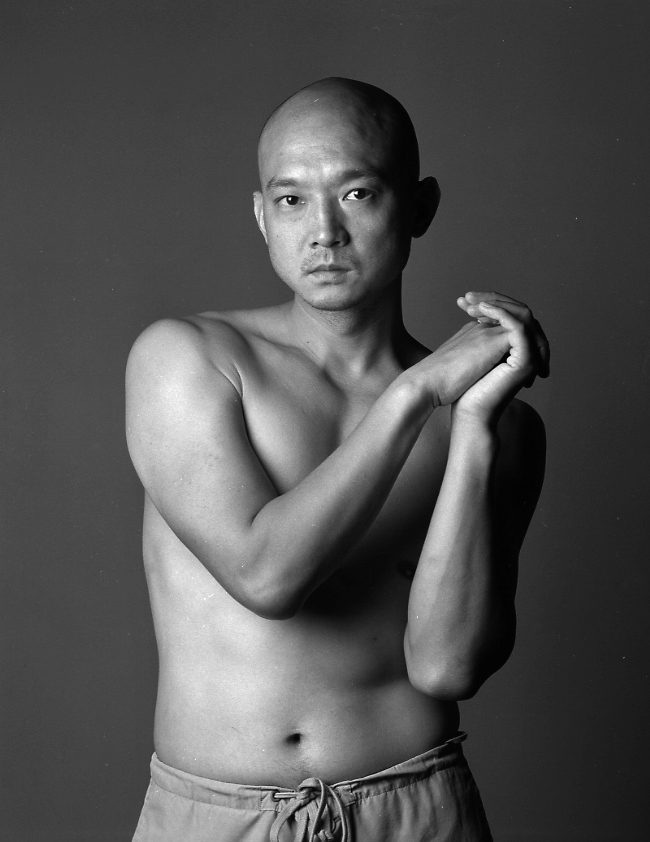
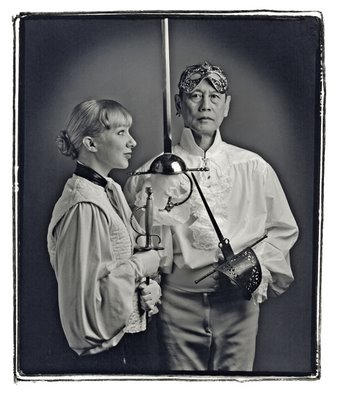 Cambodian-born fencing master, Maítre Bac Tau begen his career in 1965 with his Diplôme de Moniteur d'Escrime, from the Ligne de L'Académie d'Armes de Paris. Not only did Maítre Bac show talent but the head of the academy warmed to the young man, telling him, "My father taught your King, Nordom Sihaneuk, to fence." (Sihaneuk was better-known as a trombone player). Maítre Bac, a member of the Coaching Commission of the Academie d'Armes Internationale, has written books on fencing, from the classic The Fundamental Principles and Techniques of Foil (1985) to a useful The Manual for the Care and Repair of Electric Fencing Equipment(1996). He is central to the Vancouver fencing scene. As serious as this might be, fencers never forget their childhood roots. And they do so with a smile. Maítre Bac confessed that when he was six he cut his first bamboo stick so he could play Zorro. He agrees that the longest and best scene in the movies is in Scaramouche, in which the dashing Stewart Granger, in full Technicolor vanquishes Mel Ferrer at the Paris Opera. Maítre Ba cites The Fencing Master, a 1993 Spanish film based on Arturo Pérez-Reverte's novel El Maestro de Esgrima as the most authentic. Why is Maítre Bac's 18-year-old-pupil, Maja Futrell-Frühling smiling in the photograph? The aspiring actress says it is great for an actor to have the ability to fence. With a smile she said, "Besides being a sport, you get to poke people with a swords, it is good stress relief." An ideal pursuit for anyone who, as it says in the opening line from Rafael Sabatini's Scaramouche, "was born with a gift of laughter and a sense that the world was mad." The above appeared originally in the July 2007 issue of Vancouver Lifestyles Magazine. SwashbucklersMore
Delirio Amoroso - John Eliot Gardiner & Pacific Baroque Orchestra
Monday, October 22, 2007
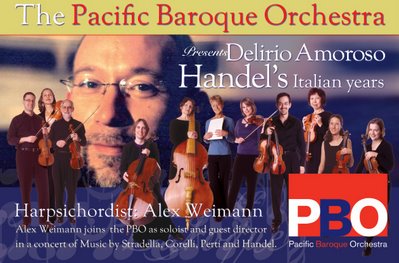
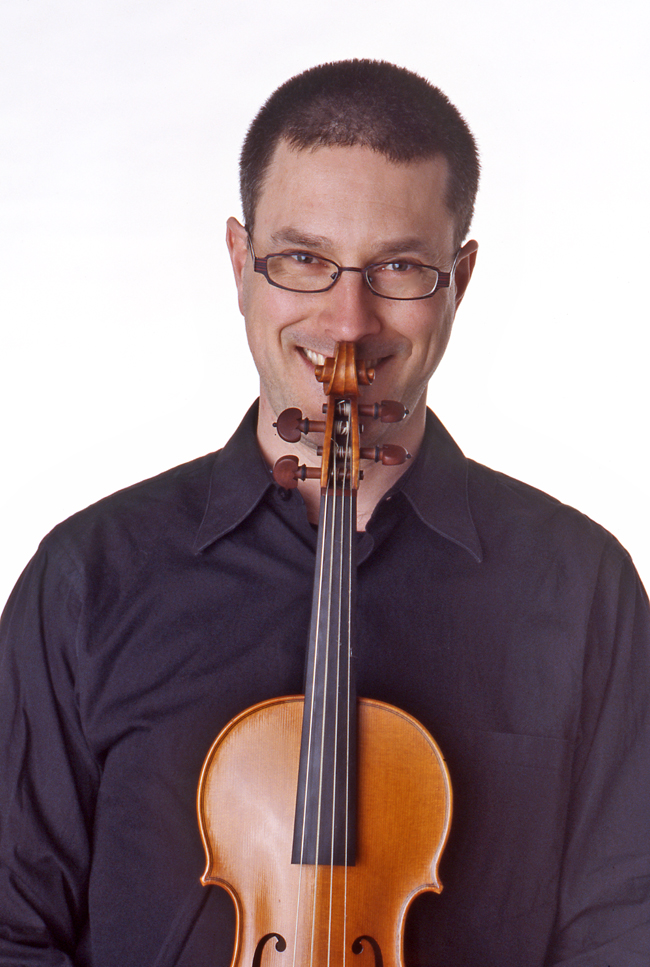
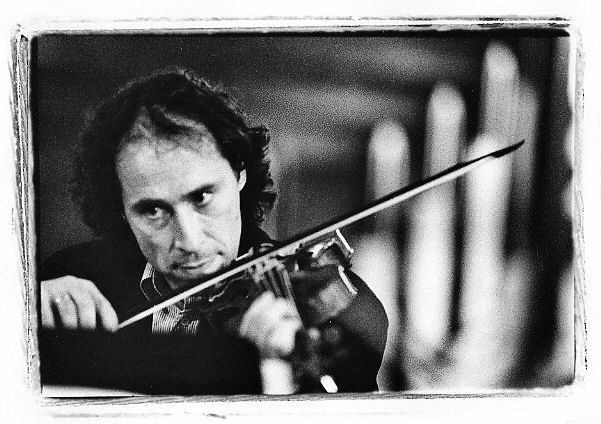
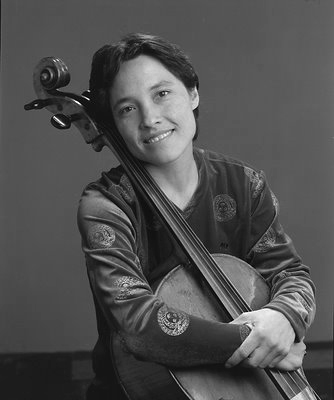
The gloom of the fall rain and the promise of the winter cold are wonderfully compensated by the warmth of going to listen to my friends play music. My friends (incuding violinist/violist Paul Luchkow, below) are the musicians of the Pacific Baroque Orchestra.
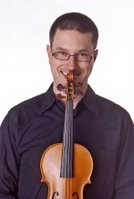
They play baroque music standing up (read below) very close to where I sit in the protective and intimate environment of a church. They perform music that is rarely played on the radio. It is fresh, exciting, challenging and satisfying. I often attend with my friends Graham Walker, Abraham Rogatnick and my granddaughter Rebecca.
-----------------------------------------------------------------------------------------------------
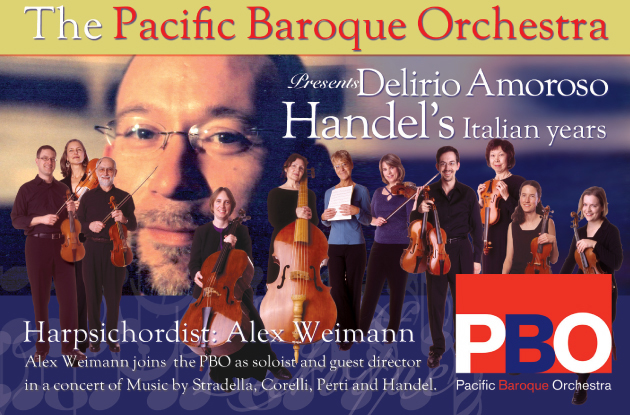
Delirio Amoroso: Handel's Italian Years
Alex Weimann - Guest Director
Washington McClain - Oboe Soloist
Saturday, October 27, 2007, 8.00 p.m.
St. Augustine's Church, Vancouver
2028 West 7th Avenue (corner of Maple and West 7th)
Sunday, October 28, 2007, 2.30 p.m.
West Vancouver United Church
2062 Esquimalt Avenue (at 21st Street and Marine Drive)
----------------------------------------------------------------------------------------------------------------------------------
In September 2002 the Pacific Baroque Orchestra, my favourite Canadian orchestra, and its leader, violinist Marc Destrubé introduced their first CD with the Haydn violin concertos in G, C and A major. The CD cover photo of Destrubé was my last contribution as a two-year trustee of the orchestra.
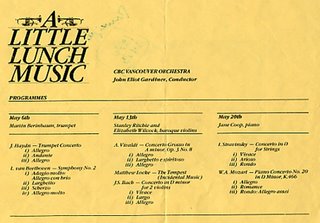
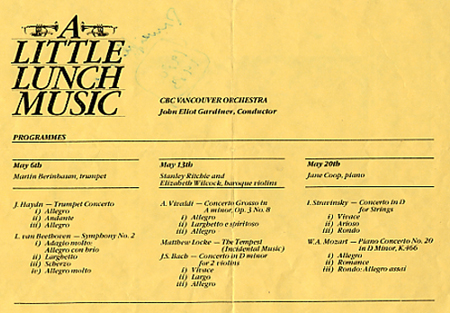
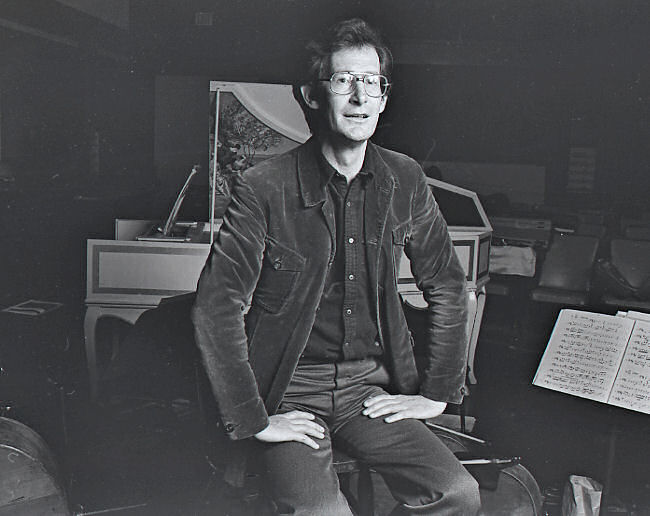
My journey into an intimate musical enlightenment began while munching on a bag of fish and chips (with my daughters Ale and Hilary) on May 13, 1980 at the Orpheum Theater in Vancouver. John Eliot Gardiner (seen here in CBC's Studio 1 where I photographed him in 1979) was directing the CBC Vancouver Orchestra in a series called A Little Lunch Music. The program featured Bach’s concerto in D minor for 2 violins.
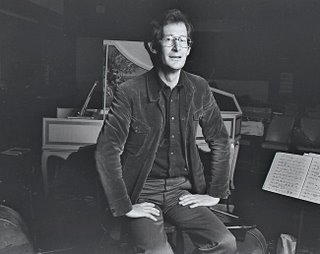
That year Gardiner had begun to verse the ensemble in baroque performance practice, and had introduced period bows and tuning. At the concert Gardiner showed us the difference in sound between the modern and baroque violins. I was hooked to the latter’s quieter but warmer sound.
On Sunday October 27, 1996 at Ryerson Church in Vancouver. A local baroque group founded in 1990, the Pacific Baroque Orchestra, played the Vivaldi Gloria in D major RV 589. The concert not only opened my ears but also my eyes. The musicians, with the exception of the cellists, the bassist and the harpsichordist, to my consternation, were all playing standing up. The big surprise was the all female Electra Women’s Chorus. I had never heard a Vivaldi Gloria with an all female chorus. The performance introduced me to red-haired sisters Caitlin (a mezzo soprano) and Phoebe MacRae (a soprano) who were featured soloists. In later years I would enjoy hearing Caitlin with Vancouver’s Musica Intima and Phoebe as a frequent soloist with the PBO and with the Modern Baroque Opera (now sadly gone).
Soon I found myself going to all the performances of the PBO. I was particularly attracted to sitting in the front rows and hearing the group playing in intimate concert venues, usually churches. It was a surprise to me when two years ago I was called by PBO manager Tom Durrie called me to ask me to be a trustee. My wife suggested that this could be a good career move for me. A more cynical member of the Vancouver Symphony, pianist Linda Lee Thomas told me, “It’s for free pictures, and you’re a photographer.”
My wife was wrong, I spent too much time worrying about the finances of the PBO and little on our own. While I did provide the PBO with free pictures the two-year experience was rewarding and an eye opener in many ways.
I had erroneously thought that as a trustee I would get to see all the concerts for free. No, I had to pay. I thought that being a trustee would be a prestigious endeavor I could boast about. In a city where the arts are suffering what some call a “fund raising burnout” I found I had to help organize golf tournaments. I hate golf. Who would ever know that one of the problems was to find someone who would transport the harpsichord to a concert?
For a while my media connections served me well. When countertenor Matthew White was to appear at a concert with the PBO I called up CBC Radio’s Paul Grant and offered to take to his studio a grown man who sang in a falsetto. The subsequent interview helped fill seats. But soon calling my friend Vancouver Sun music critic Lloyd Dykk put me into the dilemma: was I wearing the hat of friend or of PBO trustee wanting exposure for the band?
As a trustee I found out the nightmarish financial problems that most arts organizations are in. Budgets include federal, provincial and city grants that are not always sure things. Not getting a grant can spell an operating disaster which fund-raising events can only partially alleviate.
After two years as a trustee I feel that the closer contact I had with musicians (many showed up at the board meetings) has given me a further insight into music, baroque music and how it is played.
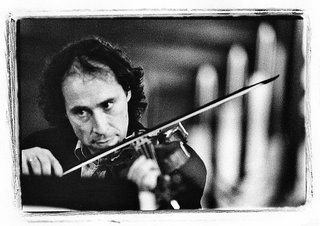
From Destrubé I found out that until Ludwig Spohr invented the violin’s chin rest emotion in music was heard through the composer’s music. “Once the chin rest was there,” Destrubé said, “ the music could be heard in the musician’s head. We could now feel the music and express ourselves through it.” He further explained that the French Revolution marked the decline of rich patrons for music and composers and musicians had to rely on ordinary citizens to foot the bills. This meant larger concert halls where instruments had to be louder. Baroque instruments were beefed up to allow for strings under higher tension. The warmth of the baroque instruments was superseded by the need for a louder sound.
While being a trustee did not, in the end make me feel important, I have learned that sitting up front at a PBO concert is no different from being a king of a European country of the 18th century. These musicians are there, close, playing just for me.
And why do members of the PBO play standing up? Marc Destrubé explained, “Just like rock and roll musicians connect with their audience by standing, I feel we can, too."
PBO
More PBO
And even more PBO
Nelson McLachlan, Sabu & A Manfrotto Super Clamp
Sunday, October 21, 2007
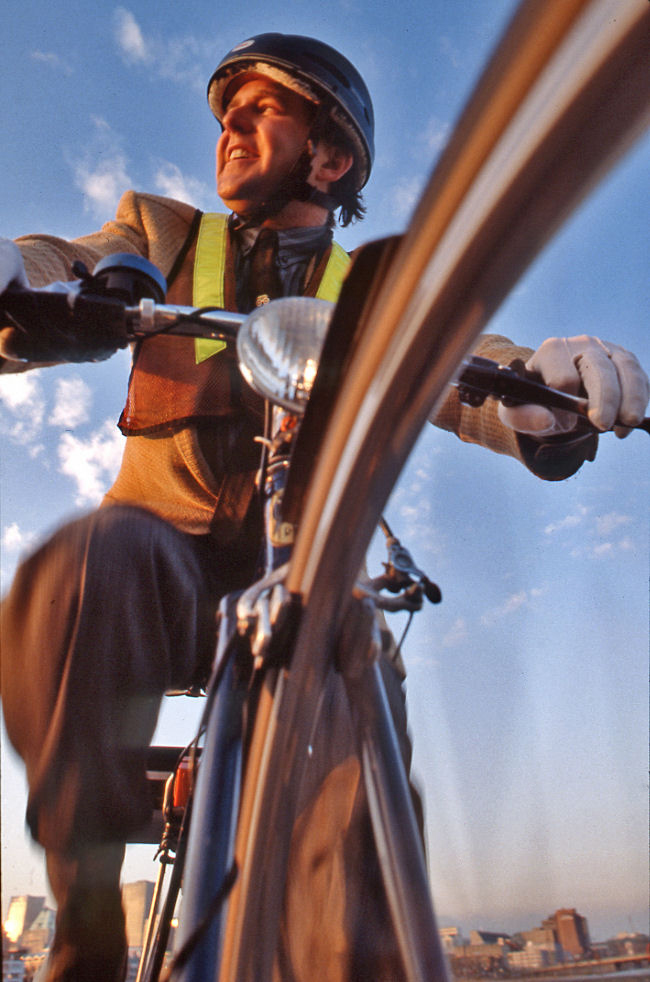
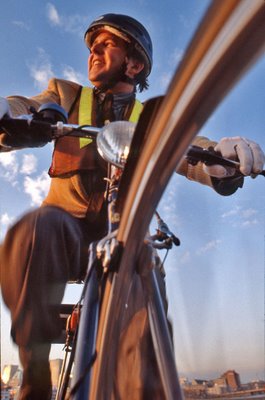 Yesterday Rebecca, Lauren, Rosemary and I watched Alexander Korda's wonderful 1942 film The Jungle Book with Sabu. I particularly thought it appropriate for Rebecca as I wanted her to see the Kipling classic in a film with real people and real animals. I didn't want it to be an animated film. Rebecca liked it (even though Sabu kills Shere Khan and does not run away as in the PC Disney film) and wasn't too sure if the crocodile was real all the time. "Perhaps it was a trained crocodile," she said. Later in the evening she was watching a terrible film with Terrence Stamp (the villain) and Eddie Murphy (the hero). It had lots of special effects and swordplay and levitations. The contrast between the films made me think of the concept of special effects. In The Jungle Book the special effects consisted in trying to make a Hollywood lot look like an Indian jungle. The war made it impossible to shoot it on location. In the 90s I was well known for photographic special effects in the magazine business, before Photoshop brought us penguins in the Sahara. There was one special effects photograph I had taken but I could not remember the name of my subject until I found the old Vancouver Magazine tear sheet from May 1990 yesterday. It had been one of those Sean Rossiter 12th & Cambie columns, this one called The Pedal Pushers. It was a column that was well ahead of its time as it told the story of Nelson McLachlan who, to quote Rossiter: Nelson McLachlan was sitting in his snazzy new metallic brown 1982 Toyota Cellica fastback, idling in the lat-afternoon traffic jam at 41st and Granville, when he had one of those almost religious experiences that occur to all of us but get forgotten by the time we find a parking spot. Barely 22 years old, still paying inflation-era interest on his car loan although the economy was in a freezer, McLachlan suddenly saw that he was working full time for no other reason than to make the payments of his car.
This is crazy, he thought. He pulled into Granville Toyota (at 41st), quickly agreed to accept $7,500 cash for the Celica - it needed vacuuming - and took the Number 3 Road Richmond Express, home to the 18-speed, custom frame bike that had cost him $1000. Rossiter wrote on how McLachlan became chair of the city's Bicycle Advisory Committee and spearheaded making it mandatory for downtown office developers to build bike racks and changing facilities. The article was airing the problem of the fact that cyclists could not ride the SeaBus and buses had no bike racks. In short McLachlan probably helped a lot in making Vancouver an almost bike friendly city. I wonder where he is now and is he still cycling down from Richmond to Vancouver? For the photograph I wanted to do something sharply different from the usual panned shot of a sharp cyclist with a blurred background. I attached a Nikon FM-2 with a fisheye lens and a motor drive to the front hub of McLachlan's bike tire by using a then (and now) legendary Manfrotto Super Clamp. 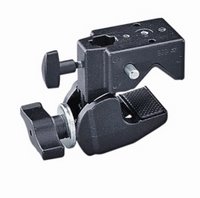 This clamp can bind firmly anything to anything. I had to trust the clamp not to fail as expensive equipment would have literally bitten the dust. I wrapped a remote motor drive button (in the picture here you can see glimpses, on the left side of the picture on the handle bar) and told McLachlan to drive back and forth (but take pictures only on the side that had sun on his face. We shoot three rolls of 36 exposures. Art director Rick Staehling chose this one for the spread and we had a massive argument. It has always been my belief that whoever presses the shutter of a camera is the person who takes the picture. I told Staehling that the photograph had to be photocredited to McLachlan. We finally compromised on a joint credit.
Wen Wei Wang, Karissa Barry, Vivaldi & Alison Denham's Abs
Friday, October 19, 2007
 There is one book in my library that I have never finished. It is Russel Hoban's 1980 Riddley Walker. It is an apocalyptic novel much like my favourite A Canticle for Leibowitz but I cannot struggle past chapter one. Hoban invented a language for the main protagonist Riddley who speaks in a devolved form of English, with a much changed spelling and resembles a phonetic transliteration of a Kentish accent. I have given up on this book. Riddley Walker is defined as an ergodic novel. An ergodic novel requires a "non-trivial effort" to traverse the text. This effort must be extranoematic, that is, it must consist of more than simply reading by moving one's eyes along lines of text, turning pages and mentally interpreting what one reads. My favourite José Saramago, who is very stingy with punctuation, is a mild example of ergodic literature. Sitting on the front row with Rebecca last night at the Cultch watching the hour long dance program, Three Sixty Five by choreographer Wen Wei Wang was sort of like ergodic dance if there is such a thing! The music was composed by Giorgio Magnanensi and the score was pre-recorded with the addition of the never boring and very live cello of Peggy Lee. The music seemed to me like a devolved Four Seasons by Antonio Vivaldi. And there was a reason for this. Wen Wei Wang says this in his choreographer's statement: After four years of work with my own company I wanted to challenge myself as a creator and push myself beyond my own cultural roots. Vivaldi's Four Seasons was my inspiration for this work and is also the basis for Giorgio Magnanensi's composition. This has been a great challenge for me. Vivaldi's music is so beautiful, so well known and so often chosen by choreographers that it required a fresh and imaginative treatment in order to succeed. This project was not just to create new movement but a way for me to understand another culture through its music.
My last work, Unbound, was the result of my proceeding choreographies and I regard Three Sixty Five as the beginning of an important new phase in my choreographic career. As I enter this phase I want to go beyond everything I have previously expressed through movement.
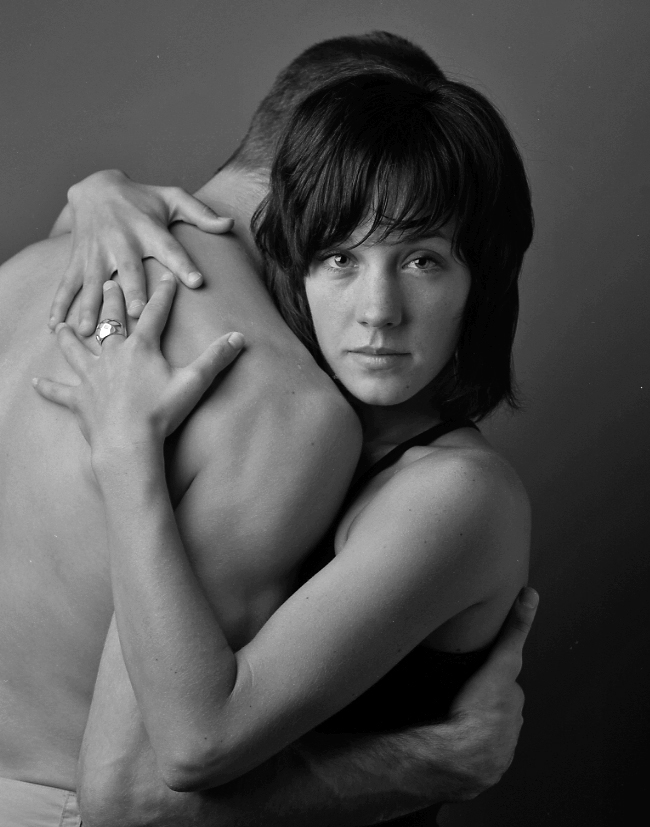
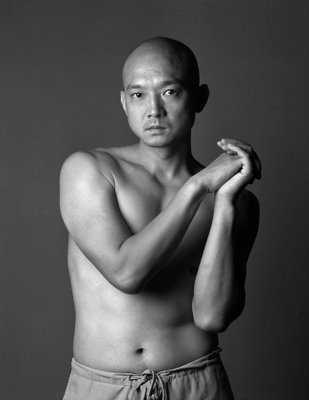
-Wen Wei WangI relied on my own imagination to figure out this one hour long dance that pushed the five dancers with constant and grueling movement to the limit of their abilities. Five dancers (sparingly dressed in white) and one musician (Peggy Lee), a troupe of entertainers in a space ship from Proxima Centauri on their way to Sirius get lost and crash land on our planet. We have been gone for a while. In a dump site Lee finds a boom box with a tape (Vivaldi's Four Seasons). Radioactivity and age have affected both the tape and the box. What plays (every once in a while you can recognize Vivaldi, the rest of the time it seems to sound like program music)is the score we heard last night. 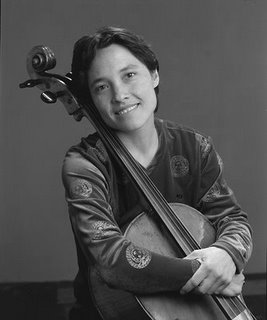 Lee puts in her interpretation and the dancers do likewise. I felt both trapped and mesmerized by the performance. A white violin hangs from the ceiling. The dancers and the musician have discovered a cult to the instrument. They are in awe of it. 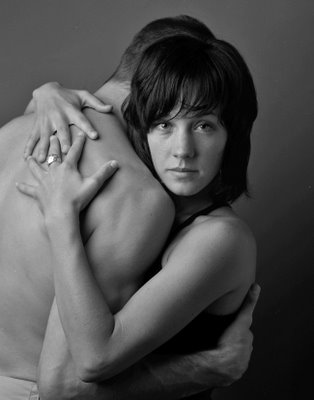 And so were we in awe of the five dancers, Wen Wei Wang (slippery and fit like a Weddell Sea seal), Scott Augustine (a prime example of this new breed of Vancouver contemporary dancers who are compact and with their low centre of gravity can move with incredible speed) Karissa Barry (when I saw her in the mentor program at Arts Umbrella she already stood out. She is another one of those compact and strong dancers) Andrea Keevil (willowy in contrast to the rest) and lastly Alison Denham. Of Denham, Rebecca said, with amazement, "What abs!" Unlike Hoban's Riddley Walker I think I could handle Three Sixty Five one more time. There is one more performance of Wen Wei Wang's Three Sixty Five tonight at the Vancouver East Cultural Centre.
Timothy Findley, Yes, His Greatness & Mark Twain, No
Rosemary and I attended the opening on Wednesday evening of the Daniel MacIvor play His Greatness based on a potentially true story about two days in 1980 (in a Vancouver hotel room) in the last years of the life of Tennessee Williams. He died in a New York hotel in 1983. The play (on until November 10 at the Granville Island Stage of the Arts Club Theatre Company) is superbly played by Allan Gray, David Marr and Charles Christien Gallant. Alas I never had the opportunity to photograph any of them so others are posted here as surrogates.
Rosemary, my wife, rarely likes anything but on Wednesday night she was smiling with pleasure and glee.
Yes, I laughed a lot, particularly when playwright MacIvor made fun of our two-newspaper town. But I was dead serious and uncomfortable (paradoxically) because of the uncanny reconstruction by Scenery Director Kevin McAllister and Lighting Designer Alan Brodie of what to me has to be a Hotel Vancouver suite. I should know as I have photographed many actors, politicians, directors, authors, pornography stars, etc in many Vancouver hotels and quite a few of them at the Hotel Vancouver.
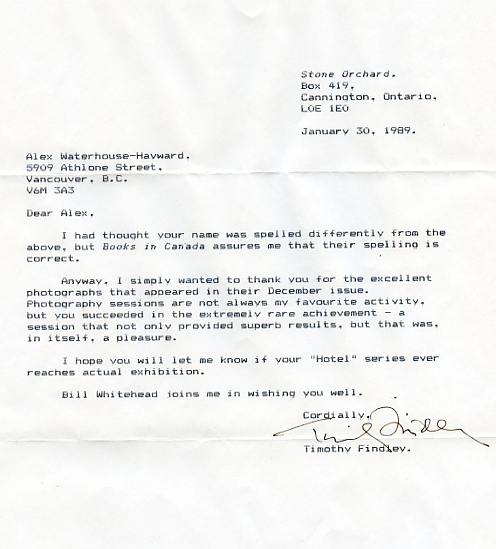
One of my first Hotel Vancouver subjects and, certainly one that gave me lots of pleasure was a sitting with poet/novelist Timothy Findley in October 1988. While I was certainly no Young Man, played with a wicked panache by Charles Christien Gallant, I was the younger and third person in that Hotel Vancouver suite. The second was Findley's friend Bill Whitehead. At the time I discussed with the friendly Findley ("Please call me Tiffy.") the idea of some day having a show of hotel portaits. In January 1989 I received a kind letter from Findley that raised the question of those hotel portaits.
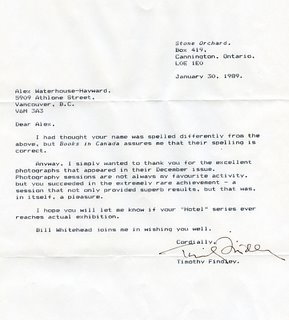
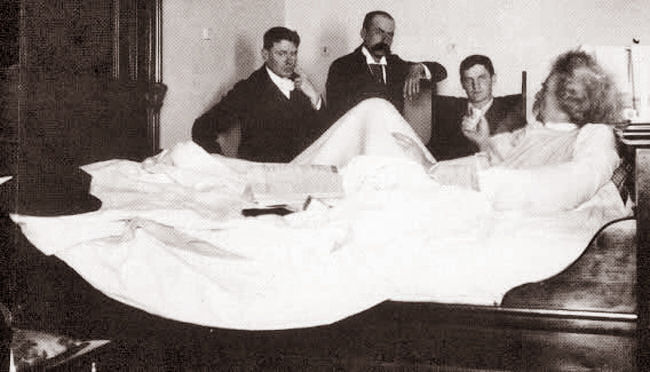
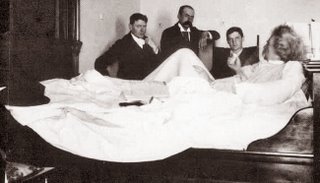
I wonder if anybody snapped His Greatness when he was in Vancouver? I must state that I first became interested in taking photographs in Vancouver hotel rooms when I saw the picture (seen here) of Mark Twain holding court from his bed in the (yes!) Hotel Vancouver when he visited our city on August 18, 1895.
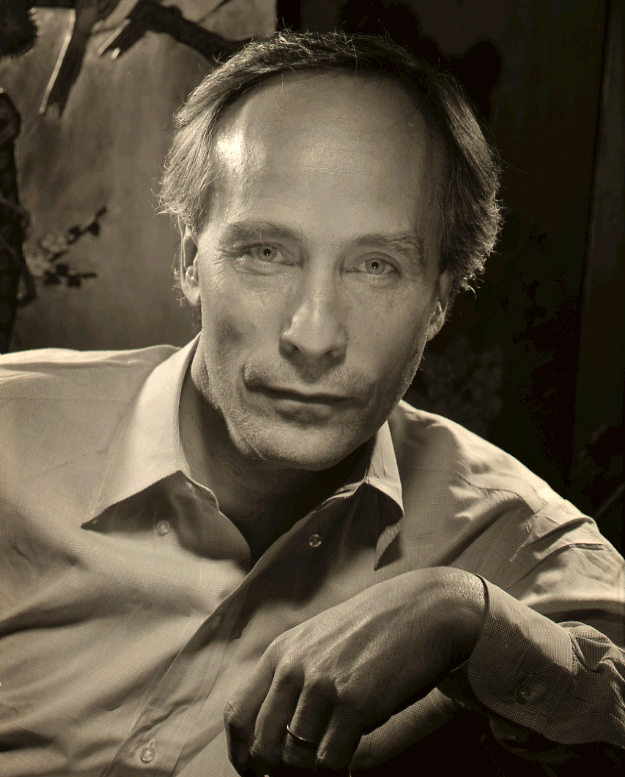
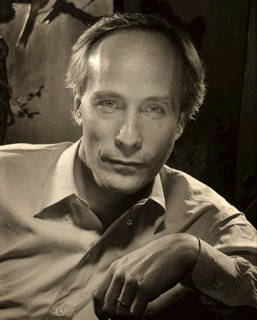
I include here a photograph of American writer Richard Ford whom I photographed at the Hotel Vancouver in October, 1990. He had come to town for the Writer's Festival. I had taken the liberty of calling the Hotel Vancouver publicist to tell her that of all the persons who were staying at the hotel the one who would most likely write about the hotel was British travel writer (by then he had moved to Seattle) Jonathan Raban. I did not know that Raban and Ford were friends. While I was taking Ford's picture (I'm happy," he said to me, "you are making me look like Graham Greene."), Jonathan Raban walked in and said, "Richard I have this great big room that is semicircular and occupies a whole end of the hotel. I have no idea why I have been given this room." Ford countered with, "Mine is a normal room. Somebody must like you." I said nothing.
Rosemary and I drove home from His Greatness. We were silent but content. After all it had been an excellent evening at the theatre. While I had missed Tennessee Williams's stay in Vancouver, the play had carried me back to that hotel room in my head, haunted by all those ghosts, some dead some alive that have passed in front of my camera and through my life.
Alejo Carpentier, A Drunken Antonio Vivaldi, Motezuma & A Mexican
Thursday, October 18, 2007
In 1995 when I read Mexican poet and novelist Homero Aridjis's novel ¿En quien piensas cuando haces el amor?, I was perplexed by the mention of a Vivaldi opera called Motezuma. I figured this was simply a sample of Homero Aridjis's brand of Magic Realism. This was not the case. When I interviewed him at his Mexico City home in 1997 he said it was a long lost opera.
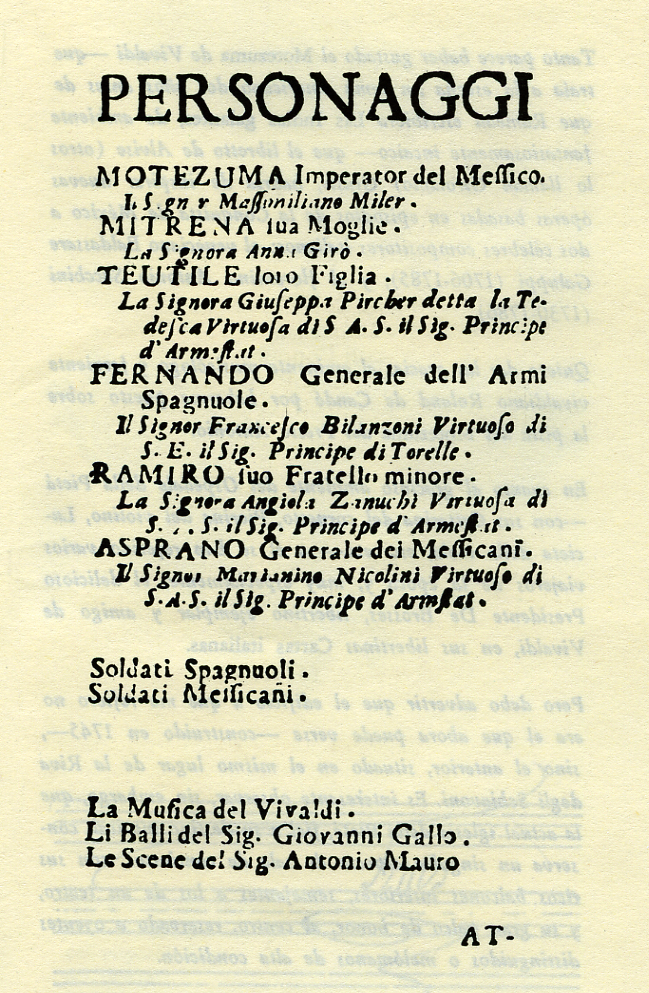
He also told me that what was most interesting is that in the premiere in 1773, Vivaldi's mistress Anna Giró had played the lead female part. Aridjis said he had first read about the opera in an Alejo Carpentier novel. When I returned to Vancouver I went on an Alejo Carpentier binge taking out most of his books from the excellent collection at the UBC Library. It was there that I discovered Carpentier's novella Concierto Barroco.
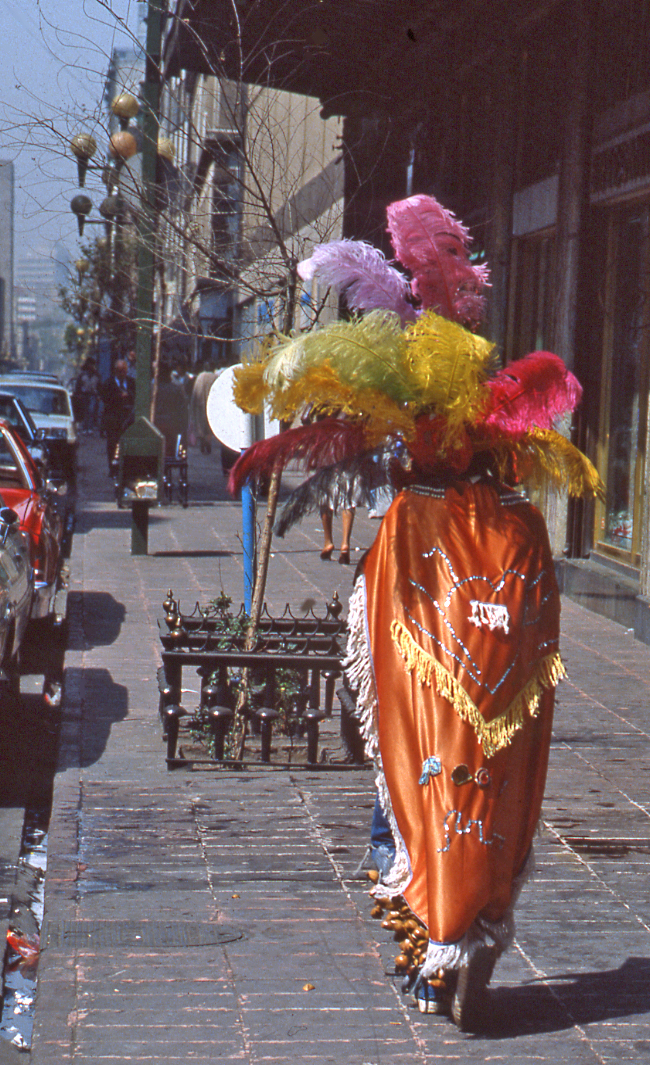
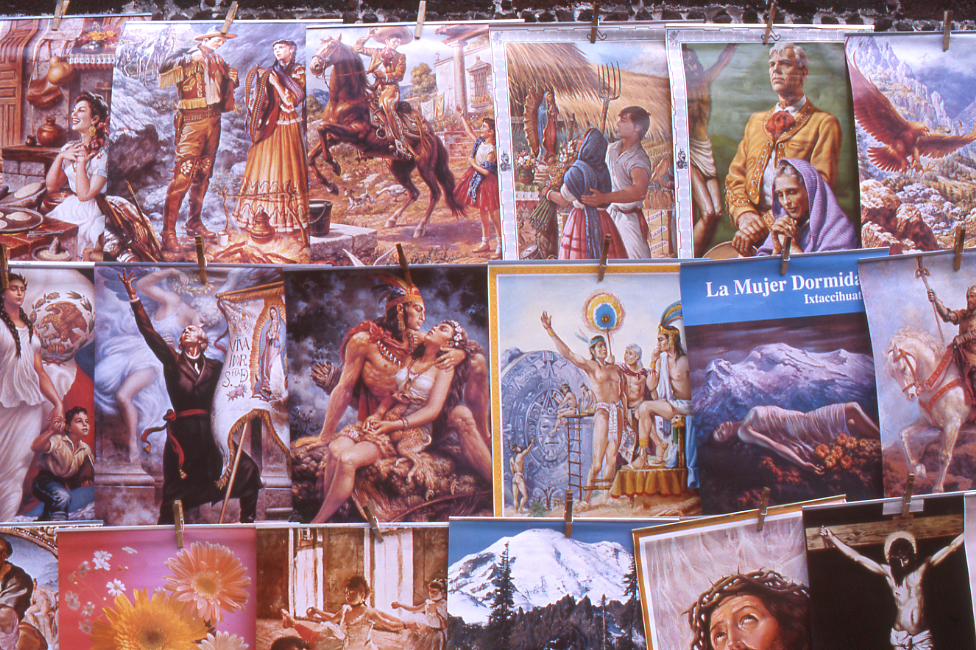
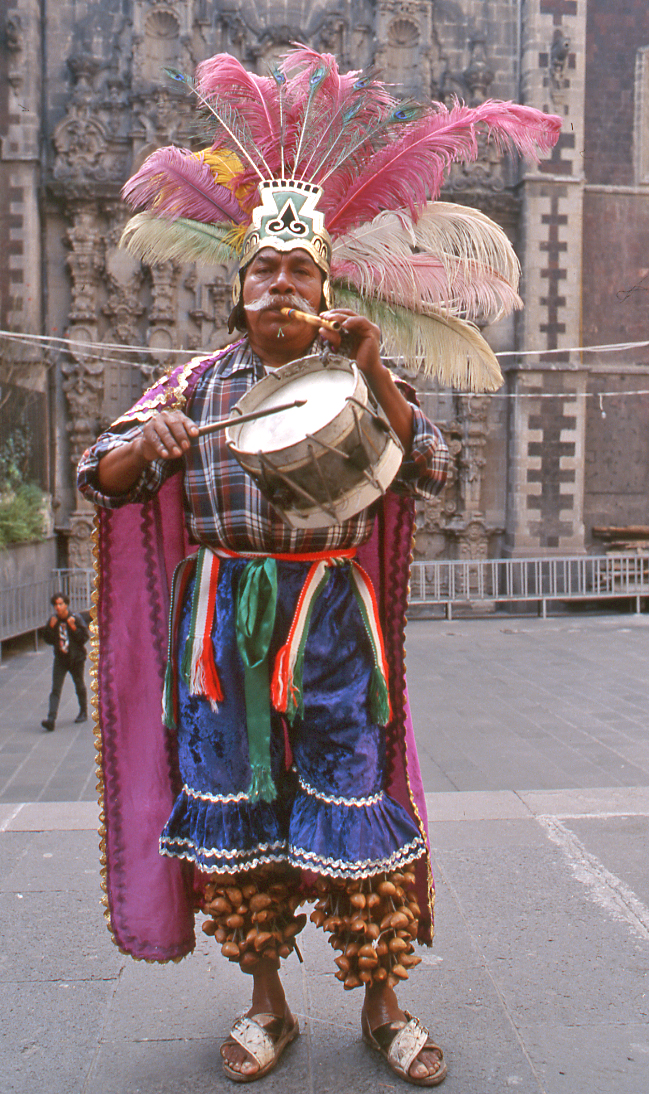
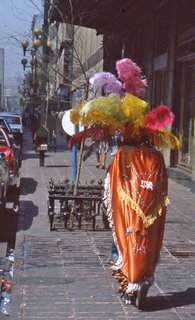
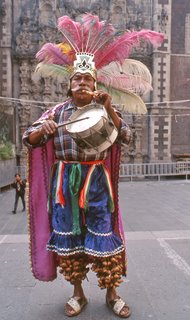
I don't know why but in the middle of the night, last night, and the reason for this blog today, I dreamt of a character (above) I had photographed near the Zócalo (Mexico City's main square) in 1997. I never saw his face as he walked quickly away in his colourful indian clothing. He and a musician I photographed a few blocks away, made me remember my favourite Arijdis poem that conjures the ghosts of people from the past mingling with us. Was that man Moctezuma's ghost? Or could it have been the Grand-Tour-Mexican dressed as Moctezuma (read below) come back to Mexico aftr his binge in Venice?
"Invisible ancestors
walk with us
through the back streets
car-noises
the stares of children
young girls's bodies
cross through them
Weightless and vague
we travel through them
at doorways that no longer are
on bridges that are empty
with the sun on our faces
we too
move toward transparency." Homero Aridjis - Letter From Mexico
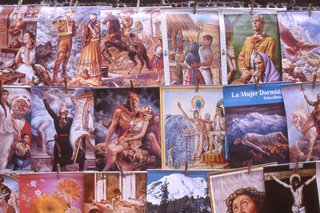
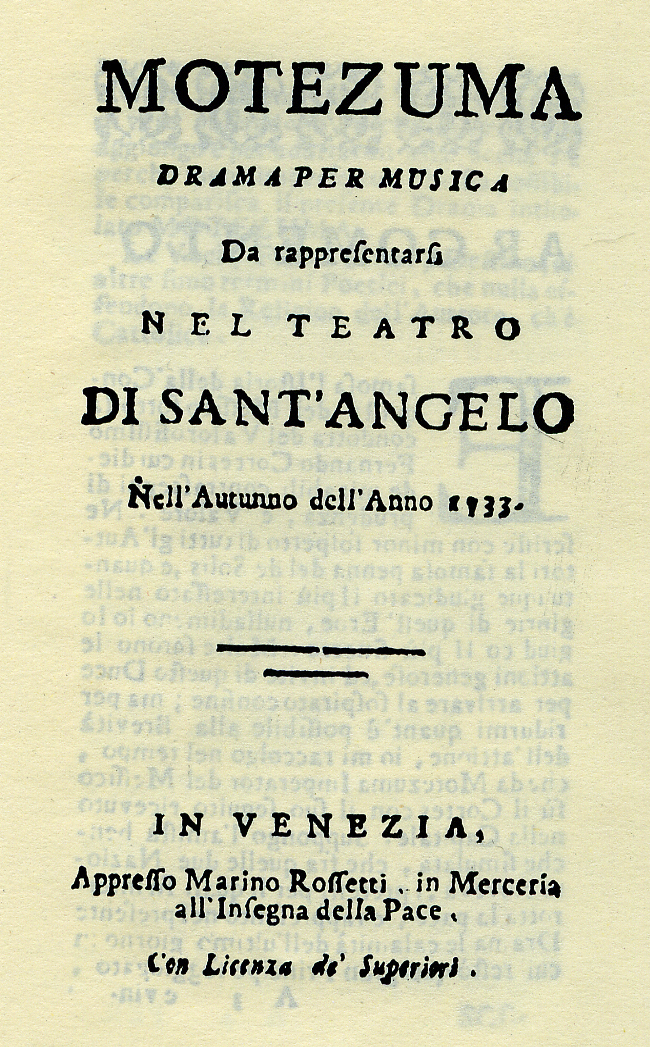
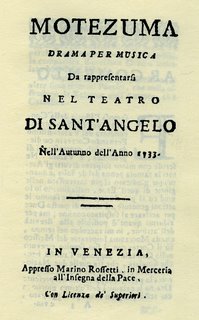
Moctezuma was first portrayed on the stage in 1695 in Henry Purcell’s masque The Indian Queen. Purcell got it wrong as Montezuma is seen as a young Inca general in the Peruvian army. Jean Philippe Ramaeu’s lncan setting in Les Indes Galantes is now thought to be the first serious work on the new world set to music. The fact is that two years before, in the autumn of 1733, Antonio Vivaldi premiered his first opera, Motezuma in the Teatro Di Sant’Angelo with a libretto by Alvisi Giusti. Anna Giró, Vivaldi’s supposed mistress, sang the lead female part. A meeting between Vivaldi, Handel and Domenico Scarlatti (who had been sent by his father Alessandro to seek his musical fortune in Venice) during the Christmas carnival in Venice in 1709, by all accounts had no bearing with Vivaldi’s opera Motezuma.
But Cuban born writer Alejo Carpentier (1904-1980), who coined the term lo real maravilloso or “magic realism”, thought otherwise.
In his 1974 short novel Concierto Barroco (the same title in the English translation available at the Vancouver Public Library and at the UBC Library in Spanish) a bored rich Mexican goes on a grand tour of Europe with Filomeno, black Cuban servant who has a fondness for women and trumpets. Bored in Madrid, the Mexican ends up in the Venice carnival in 1709. Dressed as Moctezuma, (his black servant, decides that his face will do as a mask) runs into the composers, all three very drunk, in a dark corner of Victorio Arduino’s Botteghe di Caffe. The idea for the opera is born when Vivaldi questions the Mexican on his costume. That Vivaldi doesn’t get the story quite right (or the name as any Mexican who knows history will tell you it's Moctezuma not Montezuma or Motezuma) could be blamed on his inebriated state.
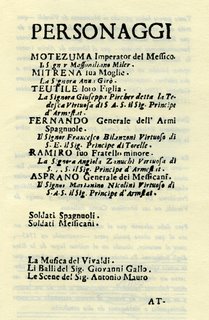
What follows is one of the most delightful stories I have ever read. An impromptu concert with the composers and Vivaldi’s foundlings ( with the wonderful names, Pierina del violino, Cattarina del cornetto, Guiseppina del chitarrone, etc…..) at the Ospedale della Pieta, leads into a session with Louis Armstrong charming Handel and the Cuban servant with his rendition of I Can’t Give You Anything But Love.
It should come as no surprise to those who may have read other books by Carpentier, an eminent music critic and musicologist, that in Concierto Barroco he uses this knowledge to play jokes and twist time, while educating us. The Mexican and the composers have a picnic on Igor Stravinsky’s tomb, who some credit with having said, “Vivaldi wrote the same concerto 600 times.” Thus we find out that Stravinsky is buried In Venice (but did not die there) while another character in the novel, Richard Wagner in a casket, died but is not buried in Venice.
If Concierto Barroco is a literary potato chip that has you wanting more I would recommend Jose Saramago’s Baltasar and Blimunda wherein Domenico Scarlatti plays the harpsichord in early 18th century Portugal while the novel’s heroes Baltasar and Blimunda build a flying machine.
|